Choosing the right type of elevator is one of the most important decisions in any building project. The wrong choice means poor performance, wasted energy, higher costs, and unhappy occupants. This guide walks you through every type of elevator available in South Africa so you can make an informed decision.
The 6 Main Types of Elevators
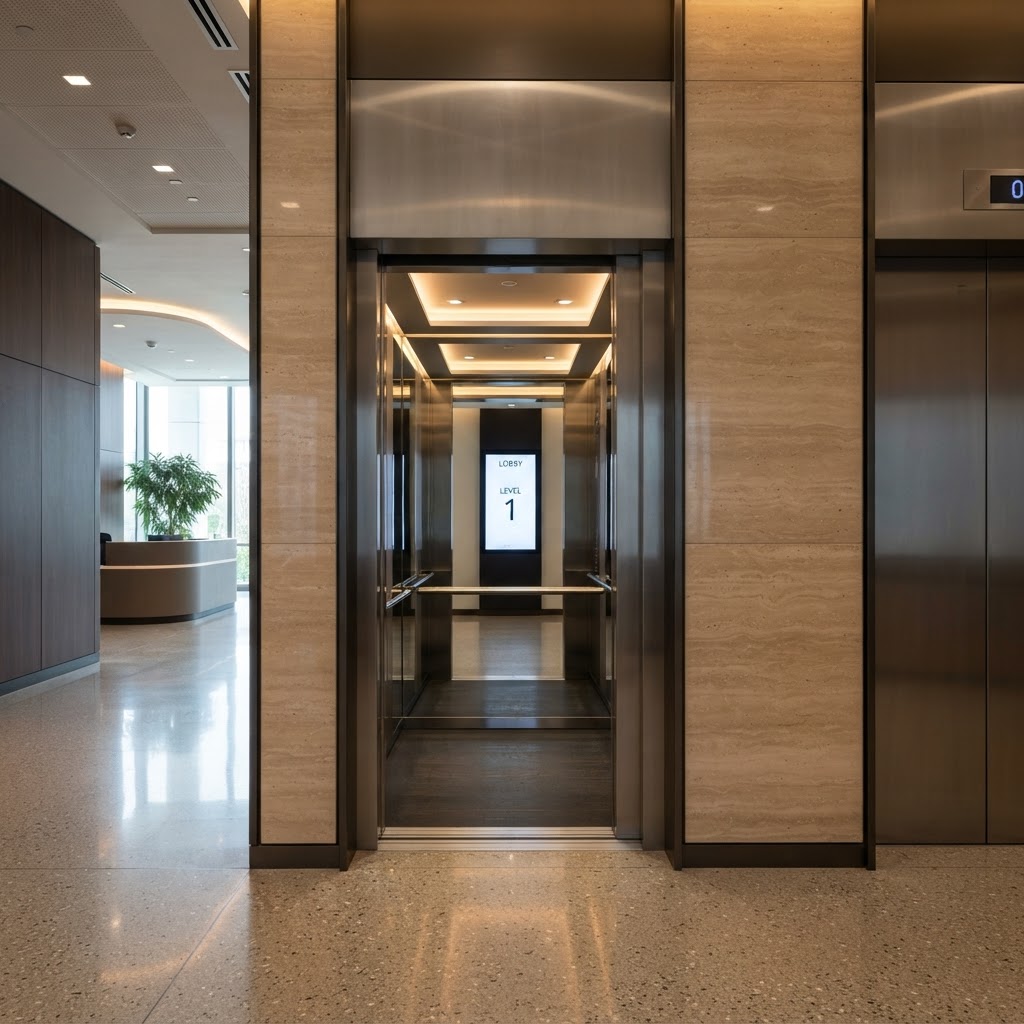
Passenger Elevators
The most common elevator type, designed to move people efficiently between floors in offices, residential buildings, and commercial towers.
Capacity
8–33 persons
Speed
1–6 m/s
Drive
Gearless MRL or geared traction
Best for: Office buildings, residential towers, hotels, mixed-use developments
View Passenger Elevators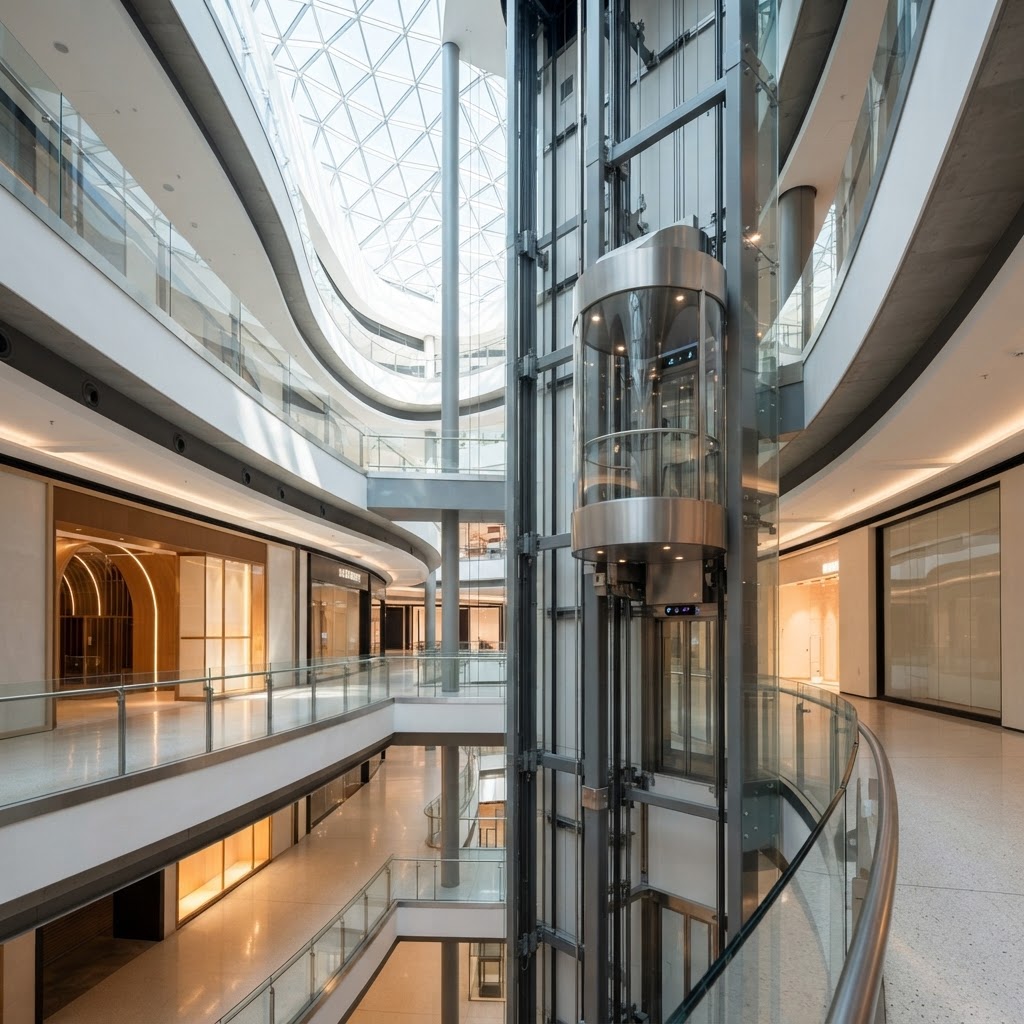
Panoramic (Glass) Elevators
Glass-walled observation elevators that become architectural features in their own right, offering passengers a view as they travel.
Capacity
8–21 persons
Speed
1–4 m/s
Drive
Traction (MRL or machine room)
Best for: Shopping centres, hotels, atriums, landmark buildings, tourist attractions
View Panoramic (Glass) Elevators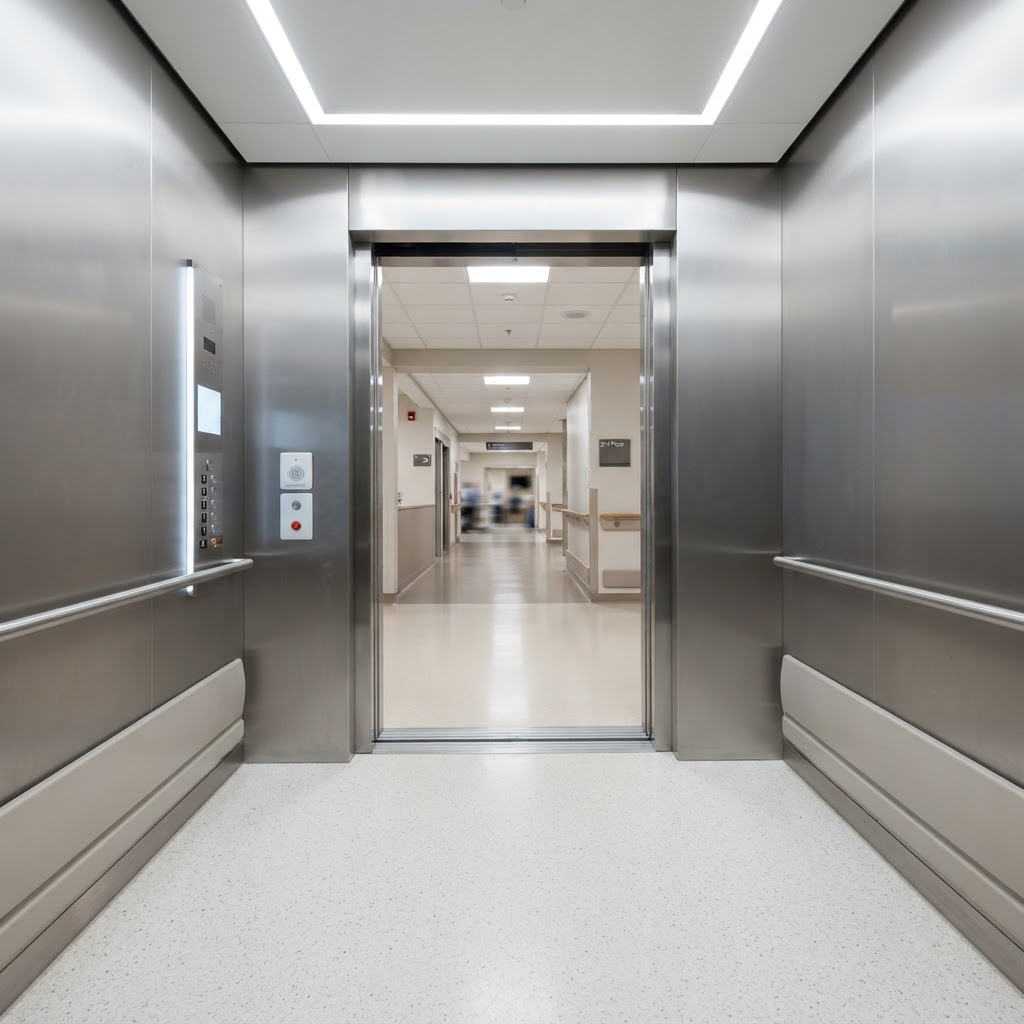
Hospital / Stretcher Elevators
Spacious, smooth-riding elevators designed specifically for medical facilities, with wide doors to accommodate stretchers and medical equipment.
Capacity
2000–5000 kg
Speed
1–2.5 m/s
Drive
VVVF traction
Best for: Hospitals, clinics, medical centres, healthcare facilities
View Hospital / Stretcher Elevators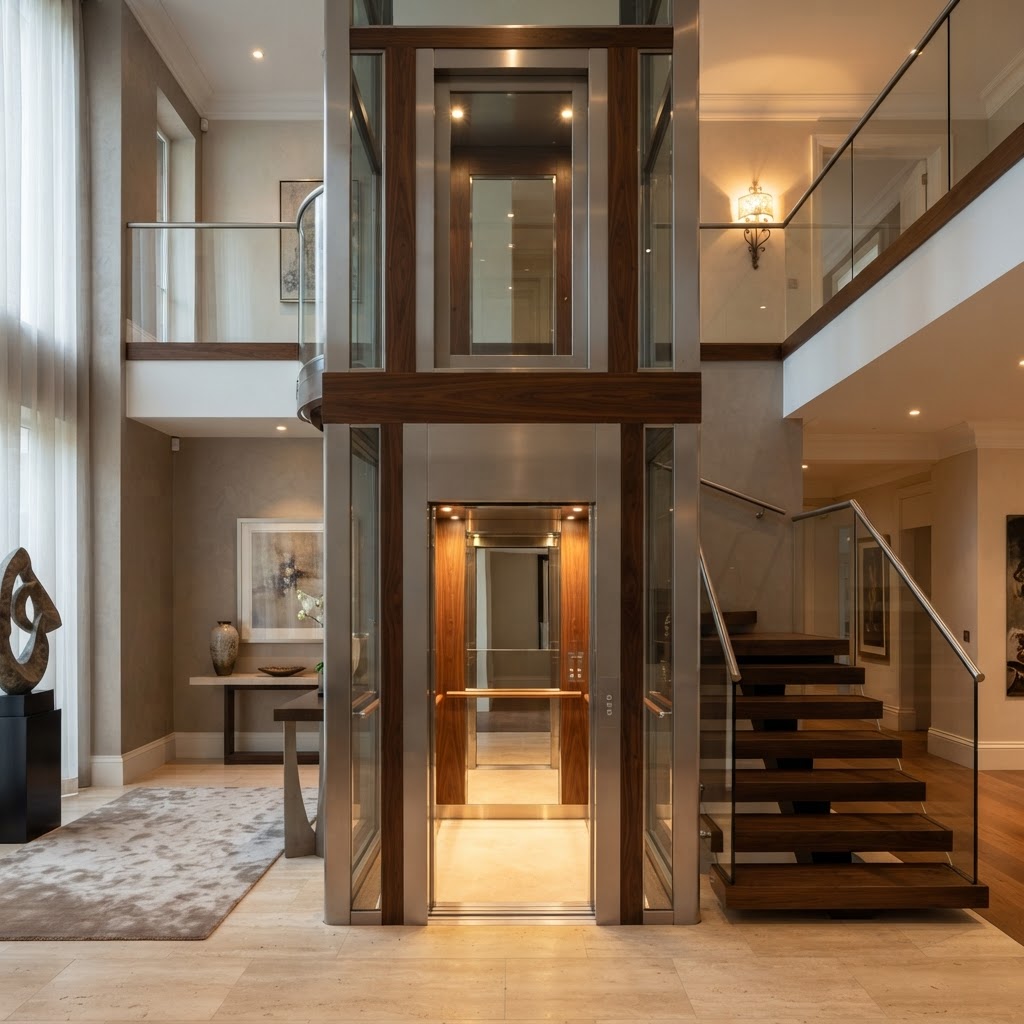
Villa / Home Elevators
Compact, elegant residential elevators that add luxury and accessibility to private homes, with quiet operation and premium finishes.
Capacity
3–5 persons
Speed
0.2–0.4 m/s
Drive
Hydraulic, traction, or screw drive
Best for: Private homes, townhouses, low-rise residential, accessibility upgrades
View Villa / Home Elevators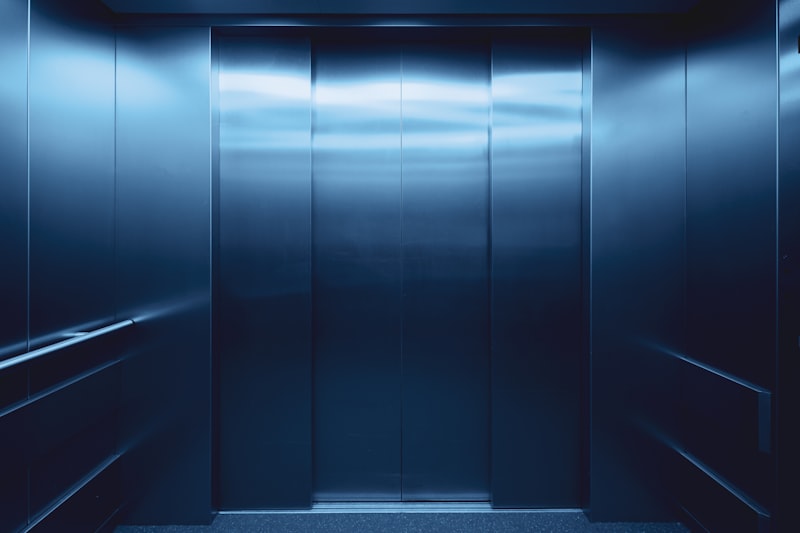
Freight / Goods Elevators
Heavy-duty elevators built to transport goods, pallets, and even vehicles between floors in industrial and commercial settings.
Capacity
1000–10,000 kg
Speed
0.5–1.5 m/s
Drive
Geared traction or hydraulic
Best for: Warehouses, factories, retail stockrooms, car parks, industrial plants
View Freight / Goods Elevators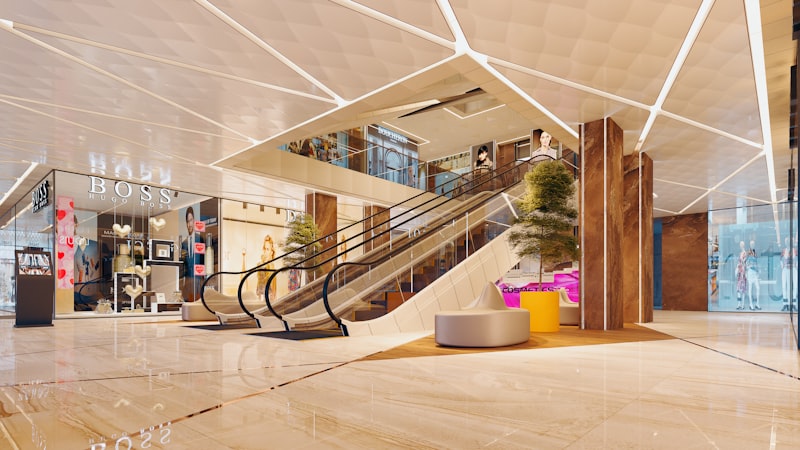
Escalators & Moving Walks
Continuously moving staircases and walkways that transport large volumes of people horizontally or between floors in high-traffic public spaces.
Capacity
Continuous flow
Speed
0.5 m/s
Drive
Electric chain drive
Best for: Shopping centres, airports, metro stations, stadiums, transport hubs
View Escalators & Moving WalksUnderstanding Drive Types
The "drive" is the mechanism that moves the elevator. This is the most important technical choice after selecting the type:
Traction (Geared)
Uses steel ropes and a gearbox. Reliable and cost-effective for low to mid-rise buildings up to ~15 floors.
Traction (Gearless MRL)
No gearbox, no machine room. Energy-efficient, quiet, and ideal for mid to high-rise buildings. The modern standard.
Hydraulic
Uses fluid pressure to lift the cabin. Smooth and affordable for low-rise (2–4 stops) and heavy freight applications.
Machine-Room-Less (MRL)
A design approach (not a drive type) that places the motor in the shaft, saving building space. Used with gearless traction.
How to Choose the Right Elevator
- Building height: 2–4 stops → hydraulic or MRL traction. 5–15 stops → geared traction. 15+ stops → gearless MRL.
- Traffic volume: Estimate peak passengers per 5-minute window. High-traffic buildings need faster, larger cabins and smart dispatching.
- Building purpose: Hospitals need stretchers and smooth rides. Hotels value quiet operation. Malls need panoramic appeal and high throughput.
- Space available: MRL systems save a machine room. Hydraulic systems need less headroom but more pit depth.
- Energy efficiency: Gearless MRL with VVVF and energy regeneration can cut consumption by up to 40% vs older systems.
- Budget: Balance upfront cost against 20-year lifecycle cost — including maintenance, energy, and eventual modernisation.
Elevators for South African Conditions
South Africa's climate, power infrastructure, and building stock present unique challenges — from load shedding to coastal corrosion. Vector Elevators specifies systems with backup power readiness, corrosion-resistant components for coastal regions, and controllers tolerant of voltage fluctuations. Every installation complies with SANS 1545 and international safety standards, ensuring reliable performance in Southern African conditions for decades to come.